
PARTNERSHIPS WITH PURPOSE
At Confluence, Partnerships are how we get conservation done.
We work side-by-side with Latin American NGOs who know their ecosystems intimately—whether it’s the cloud forests of the Yungas, the Altiplano sur of southern Bolivia, or the rain-soaked ridges of the Chocó.
Our partnerships aren’t transactional. We don’t parachute in; we are embedded. We show up, listen, build trust, and stay the course. We collaborate with organizations who care as deeply as we do—who are driven by shared values and committed to lasting conservation. Together, we share risks, design bold ideas, and bring global attention and funding to the places and people that need it most.
The result? Better-managed organizations, stronger local leadership, and more resilient protected areas.
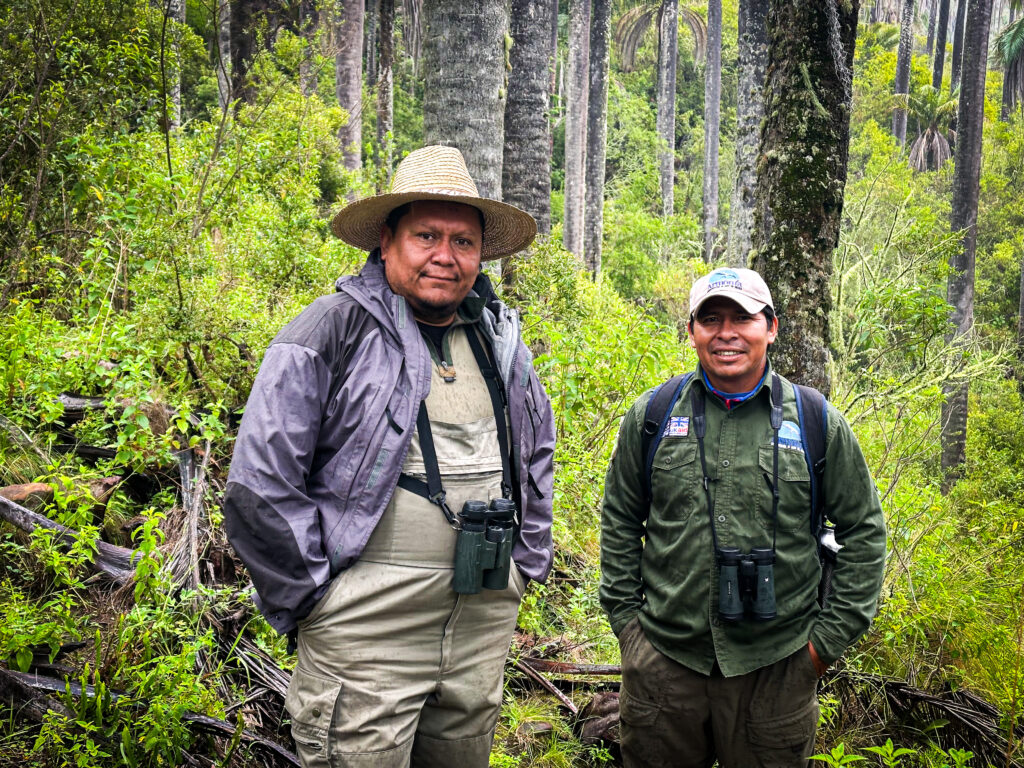
Rodrigo Soria y Guido Saldaña, Armonía








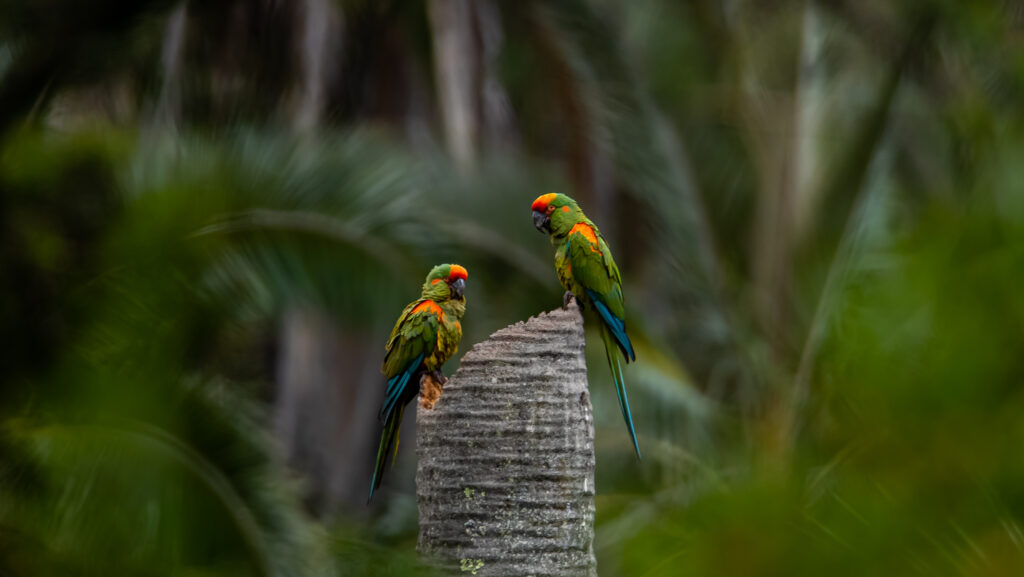
Asociación Armonía is Bolivia’s premier bird conservation organization. They help protect over 424,683 hectares of habitat for threatened birds. Their Barba Azul Nature Reserve in the Beni savanna was the world’s first protected area created for the Critically Endangered Blue-throated Macaw. In the inter-Andean valleys, Armonía helped three Quechua communities design and manage an eco-lodge where tourism profits flow directly back to those communities. They also helped declare a Municipal Protected Area for the endemic Masked Antpitta.
Armonía is now scaling their projects to the landscape level. On the northern slopes of Tunari National Park, they lead a polylepis restoration program (over a million trees planted) that is also pioneering a water fund drawing from diverse sources, including Cochabamba electric bills and external funding, to sustain the park’s long-term management.
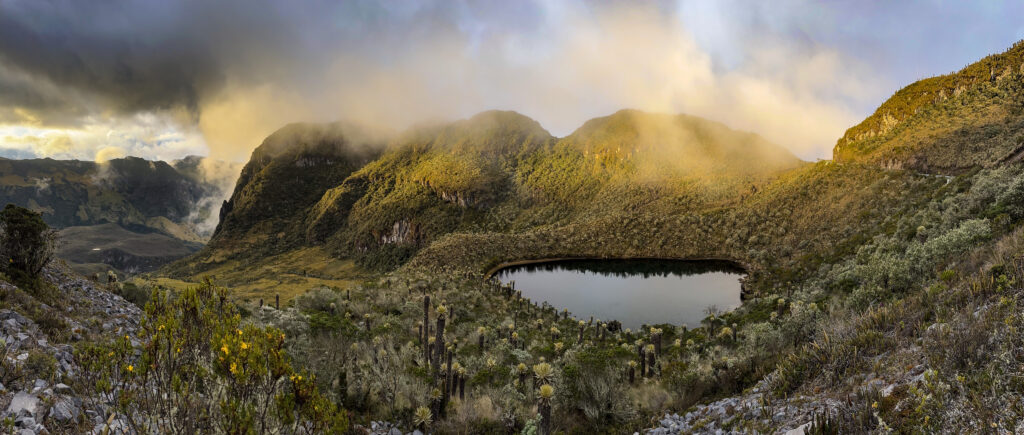
For over 30 years, FCV has been the conservation backbone of Colombia’s Central Andes, and in 2026 Colombia recognized it accordingly: the organization received the Cruz de Boyacá in Silver, the country’s highest civil distinction and the first time it has ever been awarded to an NGO for environmental work. FCV directly manages reserves covering over 4,000 hectares, including the 3,000-hectare Metamorfosis Reserve and the Andinobates Boquerón Reserve, a 462-hectare sanctuary adjacent to La Florencia National Park that harbors the greatest concentration of amphibian biodiversity in South America. The reserve protects over 90 percent of the global population of the endangered poison frog Andinobates daleswansoni, along with 30 amphibian species and 223 bird species. FCV is also working to declare a Municipal Protected Area within Sonsón Páramo.
Their flagship initiative, the Arma-Miel Mosaic, coordinates conservation across 711,000 hectares and 16 municipalities in Caldas, Antioquia, and Tolima. It will be the first corridor that aims to connect conservation efforts within the Cauca and Magdalena watersheds, including the threatened high-altitude Páramo ecosystems of the Páramo de Sónson.

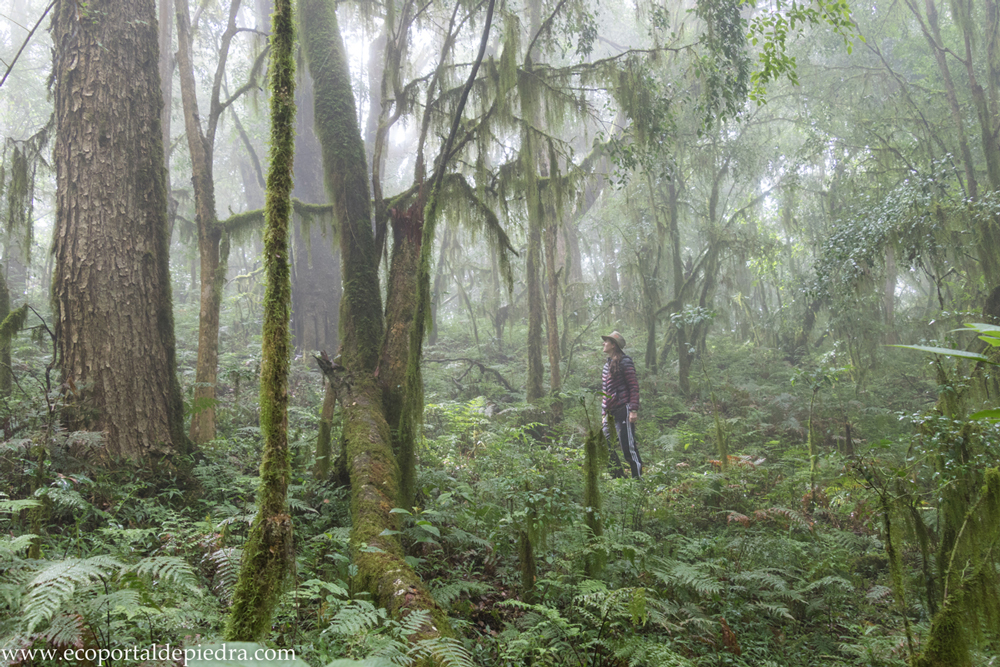
Eco Portal de Piedra brings over 30 years of family-driven stewardship to Argentina’s Yungas cloud forest, one of the most biodiverse ecosystems in South America. Their 900-hectare private reserve and ecolodge spans an altitudinal range from 1,000 to 2,600 meters in Jujuy Province, sheltering jaguars, tapirs, spectacled bears, and exceptional birdlife across cloud forest and Chaco Serrano transition zones.
Their long-term vision is to develop a 7,500-hectare regional corridor that would permanently connect El Rey and Calilegua National Parks with Pizarro National Nature Reserve and the provincial reserves Las Lancitas and La Reina. This corridor would secure one of the most critical wildlife linkages in northwestern Argentina, enabling large mammal movement across a fragmented landscape.

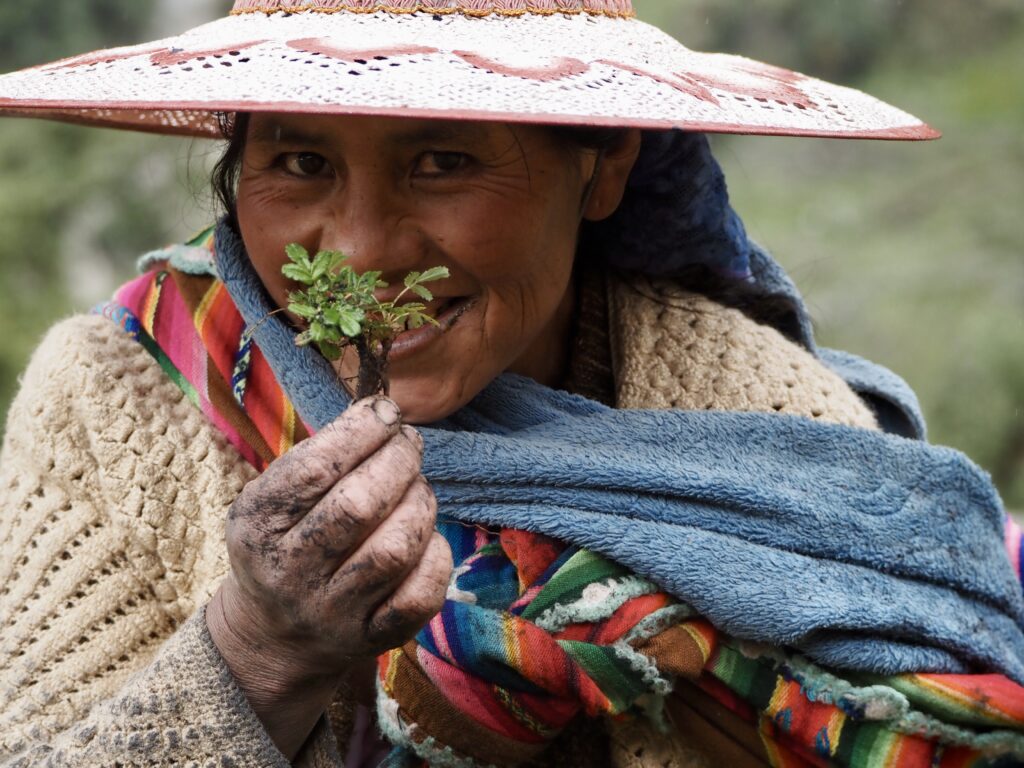
Faunagua is Bolivia’s leading expert in aquatic biodiversity conservation, working across the full altitudinal sweep from the high Andes to the Amazon basin. They pair applied science with community governance to protect the freshwater ecosystems that people and wildlife depend on.
In the Amazon basin, Faunagua helped establish two Municipal Protected Areas, Agua Dulce and Pamahuaya, safeguarding the Bolivian river dolphin, the golden catfish (the greatest long-distance freshwater migrant on Earth), and the endemic Masked Antpitta. On the Andean slopes, they lead polylepis restoration on the northern face of Tunari National Park, one of South America’s most threatened forest types. Their innovative Warmi Kewiña project trains Quechua women in literacy and native tree nursery management, a program so effective that communities across the region are now replicating it.

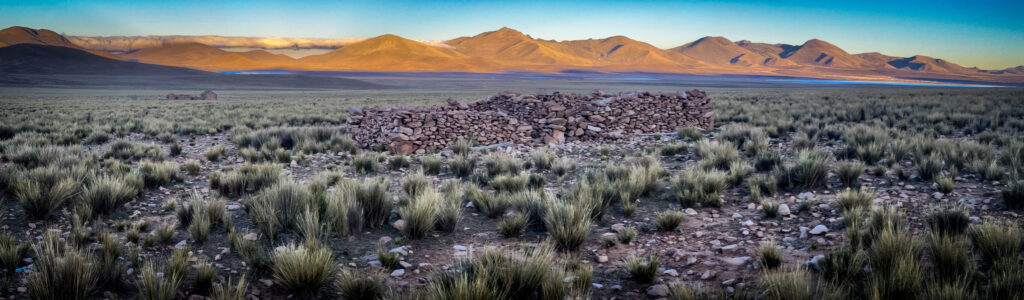
Founded in 1990, PROMETA is the organization that literally wrote the rules for municipal protected area creation in Bolivia. Before 2001, no legal mechanism existed to protect land at the municipal level. PROMETA devised the framework for Municipal Protected Areas, which was enshrined in Bolivia’s 2008 constitution. To date they have helped declare 24 protected areas totaling over 2 million hectares across six of Bolivia’s seven ecoregions, including Cordillera Crucera-La Tranca, home to the largest intact polylepis forest in South America. They also own and manage two private protected areas in the Yungas and the Chaco.
In the southern Altiplano (highlands), they have helped to build sustainable livelihoods through camelid fiber production and improved goat herding, tying community wellbeing directly to healthy landscapes. For the Sama National Protected Area in Tarija, they pioneered a water fund that blends corporate sponsorship with municipal government contributions, creating a durable financing model that other regions are replicating.

Founded in 2016, Salvamontes has built one of Colombia’s most compelling conservation portfolios in less than a decade. Their five private protected areas span approximately 1,400 hectares of Andean cloud forest and Chocó lowland habitat, sheltering over 100 endemic species found nowhere else on Earth. Their backbone is endangered plant recovery: the Ventanas magnolia, the Ghost monkey orchid, and the Sabinaria palm, a critically endangered endemic that survives almost exclusively within their Sabinaria Reserve in the Chocó. In the highlands of Antioquia, their reserves protect mesophilic shrubland and páramo that harbor the Critically Endangered Antioquia brushfinch, one of Colombia’s rarest birds, as well as a potential new antpitta species still awaiting formal description.
What makes Salvamontes remarkable is how much they have accomplished with how little time and resources. They run tree propagation nurseries, seed germination programs, and biological corridor restoration across five reserves simultaneously.